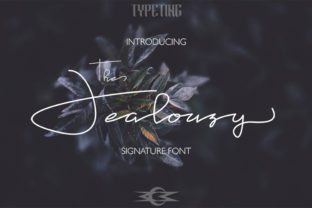
Jealousy Signature Font for Elegant Handmade Designs
There is a specific moment in every crafter’s workflow that defines the success of a product: the instant you place the final text element onto a mockup and step back to see if it feels right. I experienced this recently while designing a new line of soy candle labels for my shop. I needed a typeface that conveyed warmth and luxury without feeling stiff or overly corporate. That is when I discovered Jealousy, a stunning script handwritten font that instantly transformed simple layouts into high-end brand assets. For makers, printable creators, and boutique owners, finding the right fonts is often the difference between a hobbyist look and a professional brand identity. Jealousy offers that elusive elegant handwritten style, making it an essential tool for anyone looking to add a luxurious feel to their designs.
Creating Luxurious Candle Labels with Jealousy Script
When working with physical products like candles, soaps, or skincare items, the label is the primary touchpoint for customer connection. Using Jealousy for these applications allows you to elevate perceived value immediately. The font’s flowing curves and natural rhythm mimic the motion of a high-quality fountain pen, which resonates deeply with buyers seeking artisanal goods. In my recent project, I used Jealousy for the scent names—such as "Lavender & Sage" or "Vanilla Bean"—placed centrally on minimalist kraft paper labels. Because it is a signature script, it demands space to breathe. I paired it with a clean, small-cap sans serif font for the weight and safety warnings. This contrast ensures readability while letting the script shine as the hero element. The result was a cohesive look that felt personal yet polished, perfectly suited for boutique packaging and shelf appeal.
Designing Wedding Invitations and Formal Stationery
Wedding stationery is perhaps the most demanding niche for typography, where emotional resonance and legibility must coexist. Jealousy excels here because it captures the romantic, hand-lettered aesthetic that couples desire for their special day. Whether you are creating save-the-dates, welcome boards, or menu cards, this script handwritten font adds a layer of sophistication that rigid digital fonts often lack. I recently tested Jealousy on a suite of blush-toned wedding invitations, using it for the couple’s names and the main header. The elegant handwritten style flows beautifully across the page, creating a sense of movement and grace. It is important to note that for longer body text, such as event details or directions, you should switch to a complementary serif font or a simple sans serif. This hierarchy guides the eye naturally, ensuring that guests can easily read the logistics while still appreciating the artistic flair of the headings. For invitation designers, Jealousy serves as a versatile asset that works equally well for digital previews and high-resolution printed cards.
Elevating Book Covers and Literary Branding
Beyond physical crafts, Jealousy is perfectly suited for signatures, book covers, and editorial design projects. Authors and self-publishers often struggle to find a title font that conveys genre and mood without appearing generic. This typeface brings a human touch to digital covers, making them stand out in crowded online marketplaces. I experimented with Jealousy for a romance novel cover mockup, placing the title in large, sweeping letters against a soft, textured background. The ligatures and natural connections within the font create a seamless visual experience that draws the reader in. For non-fiction or journal-style books, using Jealousy for chapter headers or quote pages adds a personal, diary-like intimacy. When designing for print-on-demand services or digital downloads, ensure you check the licensing terms to confirm commercial use rights for book covers. The versatility of this font allows it to adapt to various literary genres, from poetic anthologies to heartfelt memoirs, providing a consistent and attractive brand identity for authors.
Optimizing Readability for Stickers and Small Tags
One of the biggest challenges for handmade sellers is maintaining clarity on small surfaces like stickers, hang tags, and product labels. While Jealousy is a display font meant for impact, it requires careful handling at smaller sizes. I found that when using it for boutique clothing tags or thank-you stickers, scaling the font up slightly and increasing the letter spacing helped preserve its intricate details. If you are using cutting machines like Cricut or Silhouette, test cut a sample sheet first. The thin strokes of any elegant handwritten style can sometimes be delicate, so adjusting your blade depth and speed is crucial for clean edges. For very small applications, consider using Jealousy only for single words or initials, such as a monogram on a tote bag or a short phrase like "Handmade with Love" on a packaging seal. Pairing it with a bold, simple font for secondary information ensures that the design remains functional and easy to read, even from a distance. This balance between beauty and utility is key to creating effective commercial craft designs.
Pairing Jealousy with Complementary Typefaces
To maximize the impact of Jealousy, understanding font pairing is essential. This script handwritten font thrives when contrasted with structured, neutral typefaces. I frequently pair it with modern sans serif fonts for a contemporary, clean look that works well for social media graphics and web design. Alternatively, combining it with a classic serif font creates a traditional, timeless aesthetic ideal for wedding invitations and formal announcements. Avoid pairing Jealousy with other decorative or highly stylized scripts, as this can create visual clutter and reduce readability. Instead, let Jealousy be the focal point of your design assets. Use it for headlines, logos, and key phrases, while relying on simpler fonts for body text and informational content. This approach not only enhances brand consistency but also guides the viewer’s attention to the most important elements of your message. By thoughtfully selecting complementary fonts, you can create diverse design templates that remain cohesive across all your product lines, from printable wall art to seasonal holiday tags.
Licensing and Commercial Use for Makers
Before integrating Jealousy into your product lineup, always review the included license agreement. As a creator, you need to ensure that the font files support your intended use, whether you are selling physical items like mugs and shirts or digital products like printable planners and SVG-style designs. Most premium fonts offer specific commercial licenses for handmade sellers, but restrictions may apply to certain types of mass production or template redistribution. Check for included styles, alternates, and multilingual support to ensure the font meets your specific project needs. Having the correct file formats, such as OTF or TTF, ensures compatibility with design software like Adobe Illustrator, Canva, or Procreate. By respecting licensing terms and choosing high-quality, legally sourced fonts, you protect your business and maintain professional integrity. Jealousy is more than just a set of characters; it is a strategic design tool that, when used correctly, can significantly enhance the emotional appeal and marketability of your creative work.