Budapest: A Premium Script Font for Web Design
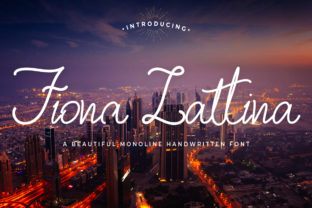
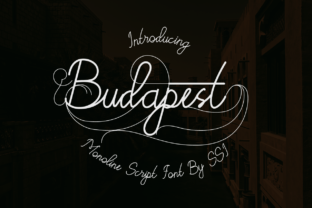
Budapest is a beautiful handwritten monoline script that brings a distinct human touch to digital interfaces, making it an essential addition to your library of professional Fonts. As web designers and UI creators, we constantly search for typefaces that balance aesthetic appeal with functional clarity, and this Script Handwritten style offers a unique solution for brands seeking authenticity. Unlike rigid geometric sans serifs, Budapest introduces organic flow and rhythm, which can significantly enhance the emotional connection between a website and its visitors. When integrated thoughtfully into hero sections, landing pages, and brand assets, it transforms standard layouts into memorable digital experiences that resonate with modern audiences.
Enhancing Visual Hierarchy in Landing Page Headers
Integrating Budapest into your design system allows you to establish a clear visual hierarchy, especially when working with diverse Fonts in complex layouts. In the context of high-converting landing pages, the hero section serves as the primary hook, and a Script Handwritten title can immediately capture attention without overwhelming the user. Because Budapest is a monoline script, it maintains consistent stroke weight, which ensures legibility even at larger display sizes. This characteristic makes it ideal for short, impactful headlines that need to convey elegance or creativity. When paired with a clean, neutral sans serif for body copy, Budapest creates a striking contrast that guides the eye naturally from the headline to the call-to-action button. This strategic pairing prevents visual clutter and ensures that the decorative nature of the script does not compromise the overall usability of the page.
Optimizing Readability for Mobile and Responsive Layouts
While Budapest excels in display settings, applying it correctly across responsive breakpoints is crucial for maintaining accessibility. As a Script Handwritten typeface, it performs best when used sparingly on smaller screens. For mobile devices, consider using Budapest exclusively for main headings or logo marks, ensuring that the font size remains large enough to preserve the integrity of its connected letters. Avoid using this font for body text or long paragraphs, as the intricate connections typical of script fonts can become difficult to decipher at reduced sizes. Instead, leverage its strength in short phrases, subheadings, or pull quotes within articles. By restricting its use to key focal points, you maintain the premium feel of the Fonts collection while ensuring that users on all devices can navigate your content effortlessly. This approach supports a seamless user experience, reinforcing brand consistency from desktop monitors to smartphone screens.
Elevating Brand Identity for Boutique Online Stores
For e-commerce entrepreneurs, Budapest offers a sophisticated way to differentiate their brand in a crowded digital marketplace. As a versatile Script Handwritten option among contemporary Fonts, it aligns perfectly with businesses that value craftsmanship, personalization, and luxury. Online stores selling handmade goods, beauty products, or fashion accessories can utilize Budapest in banner graphics, promotional overlays, and product category headers. The fluidity of the monoline strokes evokes a sense of care and attention to detail, which translates into higher perceived value for the products being sold. When used in email marketing headers or social media graphics linked to the store, it reinforces a cohesive brand narrative. This consistency helps build trust with potential customers, as the visual language suggests a thoughtful and curated shopping experience. By embedding Budapest into various touchpoints, you create a recognizable digital identity that stands out against competitors using generic typography.
Creating Engaging Content for Digital Publications
Beyond commercial websites, Budapest is highly effective for editorial projects and digital publications where tone and personality are paramount. Given that it is suitable for magazines and articles, this Script Handwritten font can serve as an elegant drop cap or section breaker within long-form content. When designing blog layouts or online journals, using Budapest for introductory quotes or author signatures adds a personal touch that engages readers on a deeper level. It breaks the monotony of standard web typography, encouraging users to slow down and appreciate the design details. However, it is important to balance these decorative elements with highly readable serif or sans serif body fonts to ensure comfortable reading sessions. This combination respects the reader’s need for clarity while providing visual interest through the strategic use of specialized Fonts. The result is a polished, magazine-quality web presence that feels both professional and inviting.
Strategic Font Pairing for Modern Web Interfaces
Successful web design often relies on the harmonious interaction between different typefaces, and Budapest pairs exceptionally well with minimalist sans serifs. As a distinctive Script Handwritten choice, it demands simplicity from its companion Fonts to avoid visual competition. For instance, pairing Budapest with a geometric sans serif like Montserrat or Open Sans creates a modern, clean aesthetic suitable for tech startups, creative agencies, and portfolio sites. The contrast between the organic curves of the script and the structured lines of the sans serif establishes a dynamic tension that keeps the layout interesting. Alternatively, combining it with a classic serif font can evoke a more traditional, editorial vibe, ideal for law firms, consultancies, or heritage brands looking to modernize their digital presence. When selecting pairings, always test the combination across various backgrounds and lighting conditions to ensure that the weight and spacing of Budapest complement the secondary typeface. This careful consideration ensures that the overall typographic system supports the brand’s message rather than distracting from it.
Licensing and Technical Implementation for Web Projects
Before implementing Budapest in client projects or commercial products, it is essential to verify the licensing terms associated with these Fonts. As a premium Script Handwritten typeface, it typically requires a specific webfont license for use on live websites, distinct from desktop licenses used for graphic design. Ensuring proper licensing protects both the designer and the client from legal issues while supporting the creators who develop these high-quality assets. Technically, when embedding Budapest via CSS, pay attention to font-loading strategies to prevent layout shifts during page rendering. Using font-display swap or similar techniques ensures that text remains visible even if the script font takes a moment to load. Additionally, check for multilingual support if your project targets international audiences, as some script fonts may have limited character sets. By addressing these technical and legal aspects early in the design process, you ensure a smooth deployment and a professional final product that reflects well on your design expertise.